
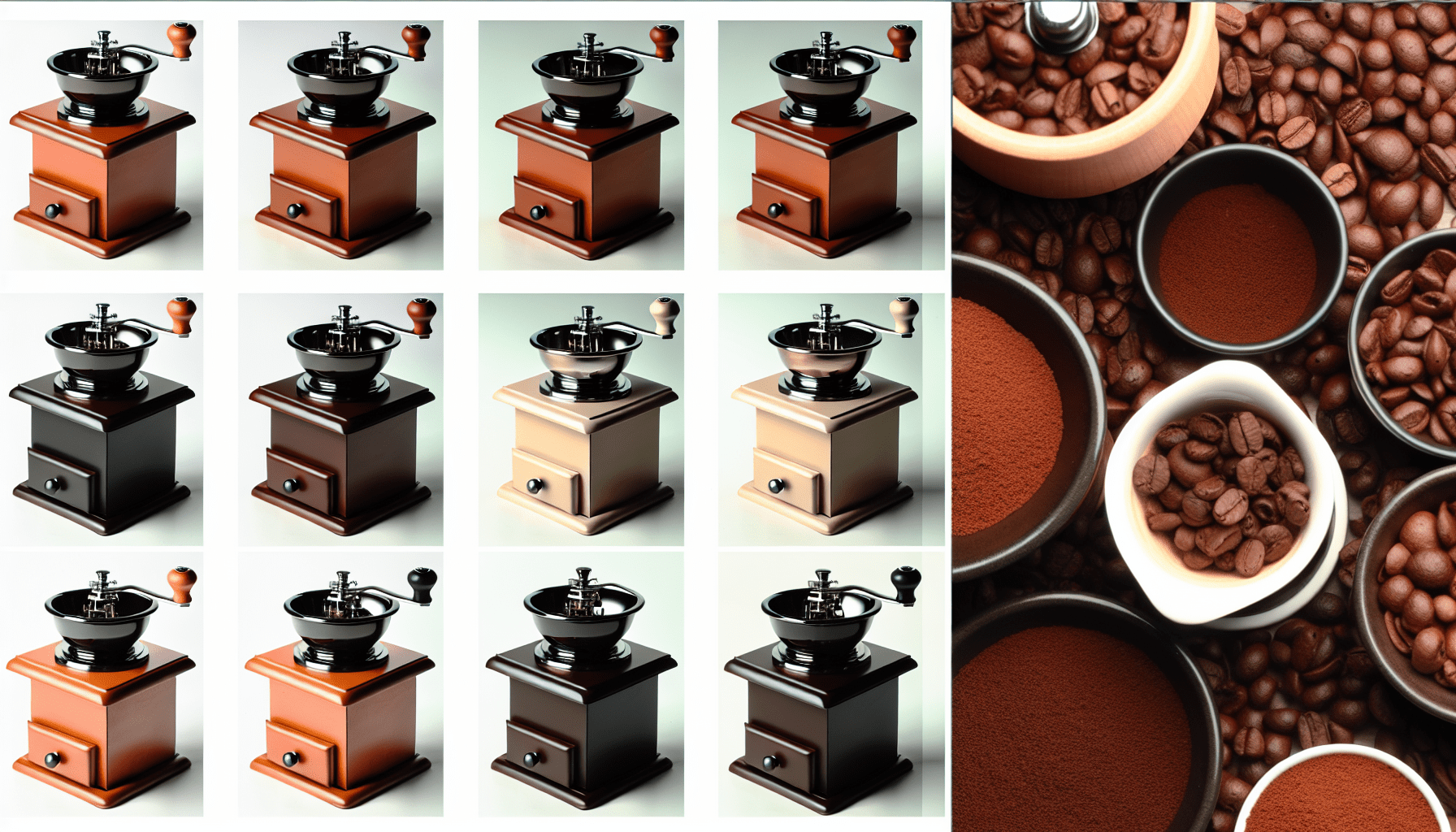
Selecting the right coffee grinder is a critical step in brewing delicious coffee at home. The grinder you choose influences flavor extraction and overall brew quality. This guide will help you understand the different types of grinders, how grind size impacts flavor, and how to maintain your grinder for lasting performance.
Introduction to Coffee Grinding
Grinding coffee beans increases the surface area, allowing water to extract flavors more effectively. Freshly ground coffee usually tastes better and more aromatic compared to pre-ground coffee. The grind size plays a significant role in how your coffee tastes.
Types of Coffee Grinders
There are two main types of coffee grinders:
- Burr Grinders: Use abrasive surfaces to crush coffee beans uniformly, producing consistent grind sizes. They are preferred for quality brewing.
- Blade Grinders: Use rotating blades that chop beans irregularly. They are often cheaper but produce inconsistent grind sizes which can affect flavor.
How Grind Size Affects Flavor
The grind size affects extraction time and flavor profile:
- Finer grinds expose more surface area, leading to faster extraction and often a stronger, more bitter taste.
- Coarser grinds extract more slowly, yielding a milder, less bitter cup.
Different brewing methods require specific grind sizes — for example, espresso demands a fine grind, while French press requires a coarse grind.
Choosing the Right Grinder for Your Method
Select your grinder based on your preferred brewing style:
- Espresso machines: Burr grinders with fine grind settings are ideal.
- Pour-over and drip: Medium to fine burr grinders work best.
- French press and cold brew: Coarser grind settings on burr grinders improve flavor clarity.
For advice on grind settings, check out our espresso grind size guide to match your machine perfectly.
Maintenance and Care for Your Grinder
To keep your grinder working well and prolong its life:
- Regularly clean the burrs or blades to prevent stale coffee buildup.
- Use a brush or grinder cleaning pellets according to manufacturer specs.
- Check for wear and replace burrs if grinding becomes uneven.
Proper maintenance ensures consistent grind sizes and better tasting coffee over time.
Pros and Cons of Burr and Blade Grinders
| Grinder Type | Pros | Cons |
|---|---|---|
| Burr Grinders | Consistent grind size, better flavor extraction, suitable for all brew methods | Usually more expensive, require regular maintenance |
| Blade Grinders | Affordable, simple to use | Inconsistent grind size, inferior flavor, less control |
Frequently Asked Questions
What is the best type of coffee grinder for home use?
Burr grinders are generally recommended for home use due to their consistent grind size and better flavor extraction.
How often should I clean my coffee grinder?
Cleaning should be done at least once a week if you grind coffee daily, to prevent stale residue that affects taste.
Can I use a blade grinder for espresso?
Blade grinders are not ideal for espresso since they produce inconsistent grinds, which can negatively impact espresso extraction.
Does grind size really affect coffee taste?
Yes, grind size controls extraction time and flavor balance. Using the right grind for your brewing method is crucial for a great cup.
How do I know when to replace my burrs?
Replace burrs if you notice uneven grinds or if the grinder struggles to grind beans consistently, usually after several years of use.

Leave a Reply